Reflections on Pride through the Lens of Eating Disorders
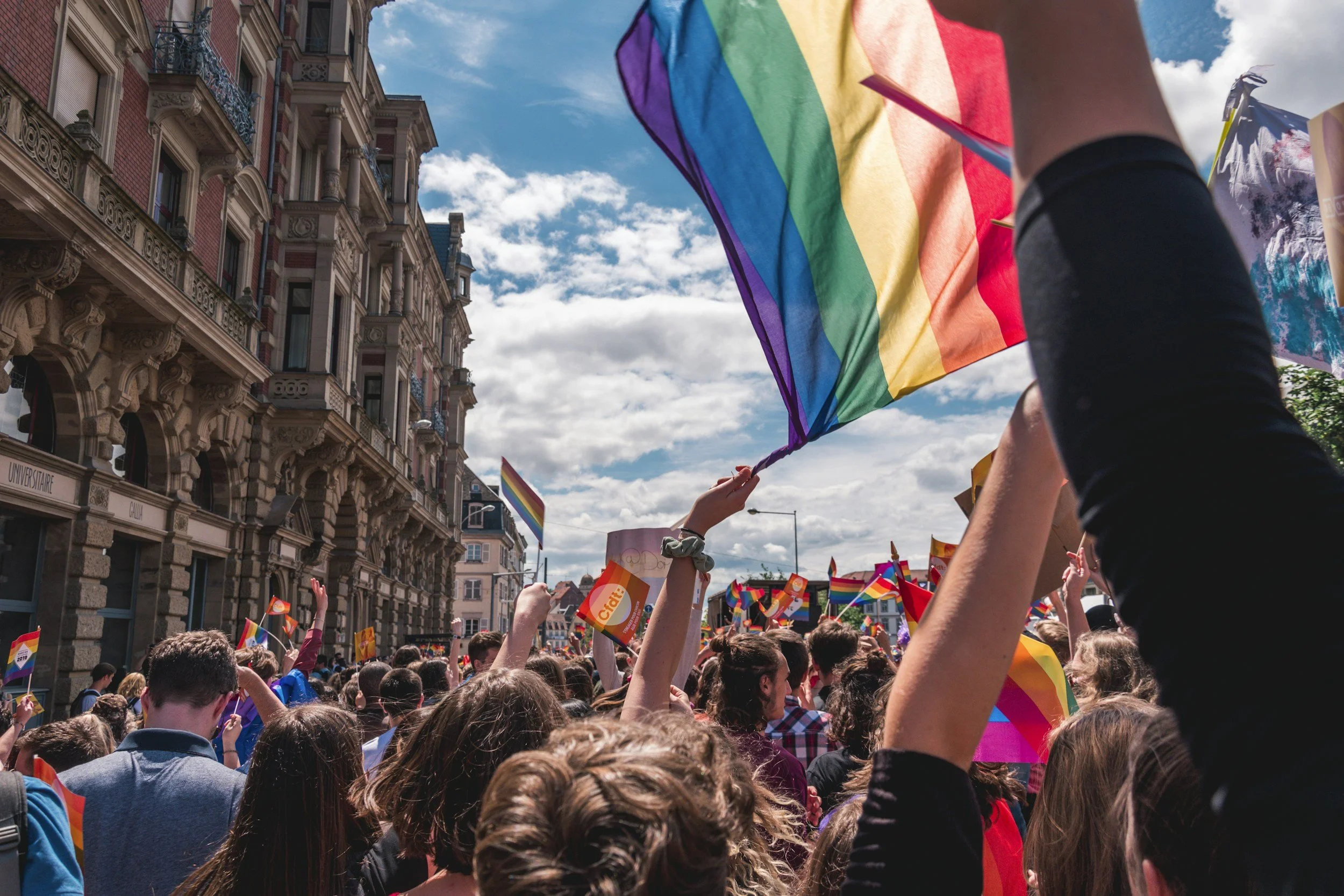
Every June, Pride Month arrives with celebration, joy, and color. In San Francisco, I love seeing LGBTQ+ people from all over the world gather in community. I love seeing the expressions of identity—from elaborate makeup to motorcycles draped with giant rainbow flags. There is something profoundly moving about witnessing people openly celebrate who they are.
And yet, every year, Pride is accompanied by familiar criticisms. Why do we need a whole month? Has Pride become too commercialized? Has it become another capitalist marketing opportunity?
There is truth in some of these concerns. Pride has, in many ways, become commercialized. But those critiques can obscure something much more important: Pride remains necessary because LGBTQ+ people continue to face significant barriers to safety, belonging, and health.
Pride is not simply a party. It is an affirmation that every person deserves dignity, visibility, and respect regardless of their sexual orientation or gender identity. It is also a reminder that the work is far from over.
One area where these disparities remain especially profound is eating disorders.
Research consistently shows that LGBTQ+ individuals experience eating disorders at significantly higher rates than their heterosexual and cisgender peers. Sexual minority adolescents report higher rates of dieting, fasting, binge eating, and purging behaviors. Gay and bisexual men experience elevated levels of body dissatisfaction and eating disorder diagnoses compared to heterosexual men. Lesbian and bisexual women are affected at rates similar to, and sometimes higher than, heterosexual women, despite longstanding stereotypes that suggest otherwise. Transgender and nonbinary individuals experience some of the highest rates of body image distress and eating disorder symptoms among all groups.
These disparities do not exist because there is something inherently wrong with being LGBTQ+. Rather, they reflect the tremendous psychological burden of living in a society that often communicates that one's identity is unsafe, unacceptable, or less worthy of protection.
Researchers refer to this as the Minority Stress Model. Chronic exposure to discrimination, prejudice, bullying, and fear of rejection creates a state of persistent stress. Many LGBTQ+ individuals internalize these messages, leading to feelings of shame, isolation, and hypervigilance. Eating disorders can emerge as attempts to cope with these overwhelming experiences.
For some transgender individuals, restrictive eating may temporarily reduce gender dysphoria by suppressing secondary sex characteristics. For others, disordered eating becomes a way to manage anxiety, seek control, or conform to narrow appearance ideals that exist both within mainstream culture and LGBTQ+ communities themselves.
The consequences can be devastating.
Suicide is now the fourth leading cause of death among people aged 15 to 29. Among LGBTQ+ university students, rates of suicide attempts are substantially higher than those observed in the general college population. A recent study found that the presence of even one eating disorder symptom increased the odds of suicidal thoughts by up to 70%, while multiple symptoms increased the likelihood of a suicide attempt by as much as elevenfold.
These statistics are heartbreaking, but they are not inevitable.
The antidote to shame is belonging. The antidote to invisibility is affirmation. Pride matters because it creates spaces where LGBTQ+ people can experience safety, joy, and connection. It reminds us that identities are not disorders, and that every person deserves access to compassionate, respectful, evidence-based care.
Celebration alone is not enough. But celebration, combined with protection, inclusion, and genuine support, can save lives.
REFERENCES
Moreno MA, French B, Christakis DA. Adolescent Mental Health Theme Issue—Adolescent Suicide, Eating Disorders, and the Role of Systems in Mental Health. JAMA Pediatr. 2025;179(12):1265–1266. doi:10.1001/jamapediatrics.2025.3798
Flôres, L. S., da Silva Júnior, A. E., da Silva Guedes, G., Rocha, M. V. C., Pereira, M. R., & Bueno, N. B. (2026). Eating disorders risk potentiates high suicide risk in LGBTQIA+ university students. Clinical Nutrition ESPEN, 102963.